


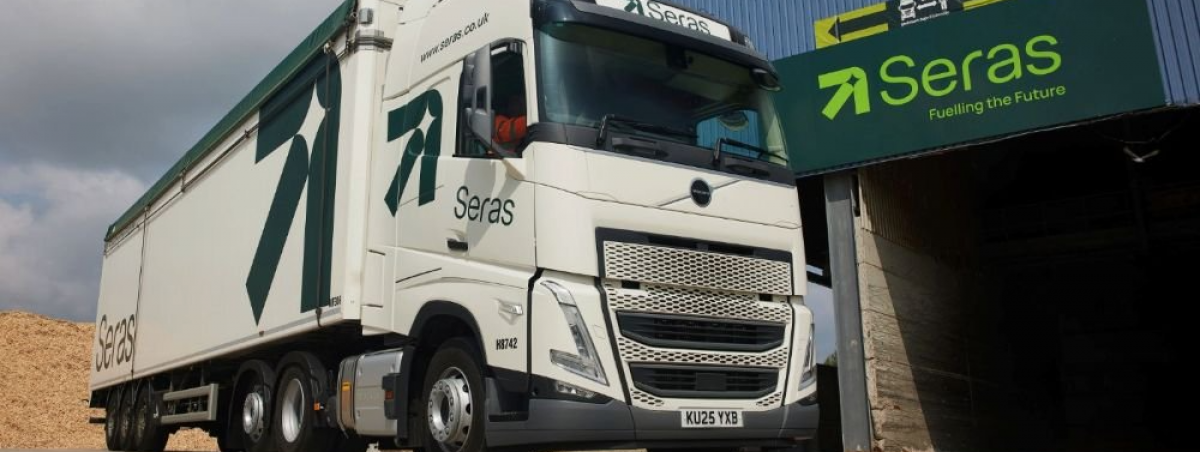
Seras and Enva have announced that Seras has acquired Enva's wood recycling business, including sites in Manchester, Middlesbrough and Tilbury. It matters because it consolidates processing capacity across two of the UK's biggest waste wood regions at a moment when the sector's own trade body has flagged storage and processing capacity as an active operational constraint.
Seras is a UK waste wood management, wood skip services and biomass fuel supply operator, positioning itself as one of the largest waste wood biomass fuel suppliers in the country.
Enva's wood recycling business processed dedicated waste wood operations across Manchester, Middlesbrough and Tilbury before the sale, now transferring its team and customer base to Seras.
Seras chief executive Richard Jenkins said: "We're delighted to be announcing this acquisition, which combines our expertise in waste wood management, wood skip services and biomass fuel supply, with that of Enva's dedicated wood processing across the UK."
Seras commercial director Neil Spencer said: "Buying the dedicated waste wood operations of Enva is a fantastic strategic fit with our ambitious growth plans. It ensures we can offer additional Northern locations, in Manchester and Middlesbrough, whilst strengthening our processing operations in Tilbury."
The deal lands as the UK waste wood sector processed 4.013 million tonnes in 2025, around 89 per cent of material generated, with the Wood Recyclers' Association warning that constrained storage capacity during periods of disruption pushed some material toward landfill and unregulated sites.
Large-scale biomass remained the dominant end use for processed waste wood at 2.459 million tonnes in 2025, a 12 per cent fall on the prior year, underscoring the pressure on biomass fuel suppliers like Seras to secure processing volume through consolidation rather than organic growth alone.
Spencer said the deal reinforces the company's "Stronger Together" business values, adding that Seras will continue seeking strategic opportunities to grow within the waste wood sector.
For the sector, absorbing a rival's processing sites during a year of falling biomass volumes signals that scale and secured throughput, not capacity expansion alone, are what determine which waste wood operators can weather sustained market disruption.
Source: Interplas Insights / Bioenergy Insight / Wood Recyclers' Association









.png)
